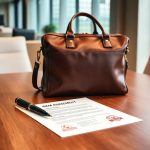
In today’s highly saturated retail market, functionality alone is no longer enough to win customer loyalty. Consumers do not just buy products; they buy into identities, lifestyles, and narratives. For fashion and lifestyle brands, the question is: how do you translate an intangible brand ethos into a tangible, physical product? The answer lies in brand storytelling through meticulous custom bag design. This guide explores how strategic design details—from custom hardware to printed linings—can transform an ordinary accessory into a powerful, premium ambassador for your brand identity.
Why Brand Storytelling Matters in Physical Products
Your brand’s story is the emotional bridge between your company and your customer. When applied to physical products, this story significantly increases the perceived value of the item.
Moving Beyond the Logo: Creating an Emotional Connection
Slapping a massive logo on a blank tote bag is marketing; weaving your brand’s core values into the fabric of the bag is storytelling. Whether your brand stands for rugged outdoor adventure, minimalist urban luxury, or vibrant eco-conscious living, every stitch and zipper should evoke that specific emotional connection when the customer interacts with the product.
How Your Product Becomes a Mobile Billboard
A well-designed custom bag is the ultimate mobile billboard. When a customer proudly carries a bag that resonates with their personal identity (which aligns with your brand story), they become organic brand ambassadors. The design must be striking and authentic enough to spark conversations.
Translating Your Brand Identity into Exterior Details
The exterior of your bag is the first chapter of your brand story. It sets the tone immediately.
Material Selection: What Your Fabric Says About You
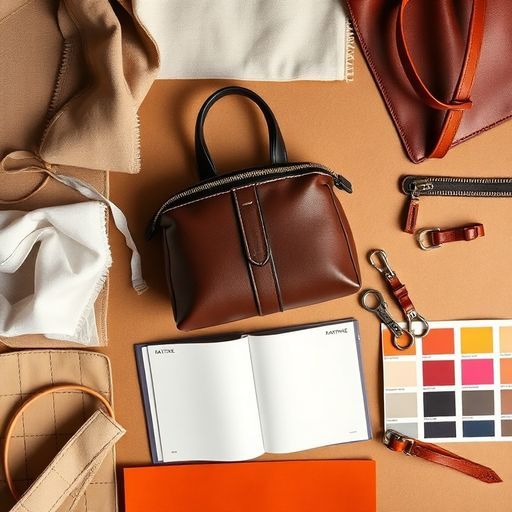
The tactile experience of a bag speaks volumes. Heavy-duty waxed canvas communicates durability, heritage, and a rugged outdoorsy spirit. Sleek, high-grade PU leather whispers modern, fast-paced urban chic. Using recycled rPET fabrics loudly broadcasts your brand’s commitment to sustainability and the environment. Choose your materials not just for cost, but for the message they send.
Custom Hardware: Zippers, Pulls, and Metal Badges
Never underestimate the power of custom hardware. Standard, generic zippers can make a great bag feel cheap. Investing in custom-molded zipper pulls featuring your logo, or utilizing bespoke metal badges and buckles with a specific finish (like matte black, brushed brass, or shiny gold), instantly elevates the bag to a premium, designer level. It shows a meticulous attention to detail.
Color Psychology in Custom Bag Design
Colors evoke deep psychological responses. A brand focused on wellness might utilize calming earth tones and soft pastels, while a high-energy streetwear brand might opt for aggressive neon contrasts. Your custom bag design should strictly adhere to your brand’s official Pantone guidelines to ensure absolute consistency across all your product lines.
The Inside Matters: Designing for the User Experience
The story doesn’t end when the bag is closed. The interior design is where you create a lasting, intimate relationship with the user.
Custom Printed Linings: The “Surprise and Delight” Factor
The interior of a bag is a fantastic opportunity for the “surprise and delight” factor. While the outside might be a professional, solid color, the inside can feature vibrant custom printed linings—perhaps a repeating monogram, a custom illustration, or a brand manifesto. This hidden detail makes the unzipping experience feel exclusive and highly personalized.
Woven Labels and Internal Branding
High-quality woven labels stitched into the internal pockets or lining are subtle but powerful. These labels can carry care instructions, origin stories, or a short, inspiring brand quote. It reminds the customer of your brand’s narrative every single time they reach for their keys or wallet.
Partnering to Bring Your Brand Story to Life
A brilliant brand story means nothing if it cannot be manufactured accurately. Execution is everything.
From Sketch to Reality: Our OEM Customization Capabilities
Bringing these intricate details to life requires a manufacturing partner with advanced technical skills and a vast supply chain. Whether it is sourcing the exact shade of Pantone fabric, casting custom metal molds for your hardware, or executing flawless digital printing for your linings, our OEM customization capabilities are designed to turn your precise sketches into retail-ready masterpieces.
Why Your Manufacturer Needs to Understand Your Marketing Strategy
A great factory doesn’t just ask “what do we make?” They ask “why are we making it?” When your manufacturer understands your target audience and your brand’s positioning, they can proactively suggest the right material tweaks, reinforcement techniques, and finishing touches that align perfectly with your marketing goals, rather than just choosing the cheapest option.
Your Product is Your Most Powerful Marketing Tool
In the end, your product is the physical manifestation of your brand story. By intentionally designing every element—from the ruggedness of the exterior fabric to the gleam of the custom zipper pull and the hidden surprise of the internal lining—you elevate a simple bag into a coveted brand asset. Don’t leave your brand story to chance; sew it into every seam.
Ready to translate your brand’s unique ethos into a high-quality physical product? Speak with our manufacturing and design experts to start developing your next signature collection.
Frequently Asked Questions About Custom Bag Branding
How much does custom hardware add to the manufacturing cost?
How much does custom hardware add to the cost? The cost depends heavily on the complexity of the mold and the material (e.g., zinc alloy vs. brass). There is an initial one-time molding fee (typically ranging from $50 to $200 per mold), but the per-unit cost of the actual zipper pulls or badges is usually very low (often just cents per piece). It is one of the highest ROI investments for perceived value.
What is the minimum order quantity (MOQ) for custom printed linings?
What is the MOQ for custom printed linings? Custom printed fabrics usually require a higher minimum yardage from the fabric mills than standard solid colors. Typically, the MOQ for a bag featuring custom printed linings is around 800 to 1,000 pieces, depending on the size of the bag and how much fabric is consumed per unit.
Can I match the bag material to my exact brand Pantone colors?
Can I match materials to my Pantone colors? Yes! This is a standard procedure in premium OEM manufacturing. We will dye the raw fabrics (whether nylon, polyester, or canvas) to match your specific Pantone color codes. We then provide “lab dips” (small dyed fabric swatches) for your physical approval before we proceed with bulk production.