
For many brands sourcing overseas, the period immediately after paying a deposit can feel like entering an information black hole. You submit your Purchase Order (PO), and then… silence. Delays in manufacturing can derail your entire marketing schedule and cause stockouts. Understanding the production timeline is the antidote to this anxiety. How long does it actually take to manufacture a bulk order of custom bags or shoes? In this guide, we provide a transparent breakdown of a typical 60-day OEM manufacturing schedule. By mastering lead time management, you can plan your inventory with absolute confidence.
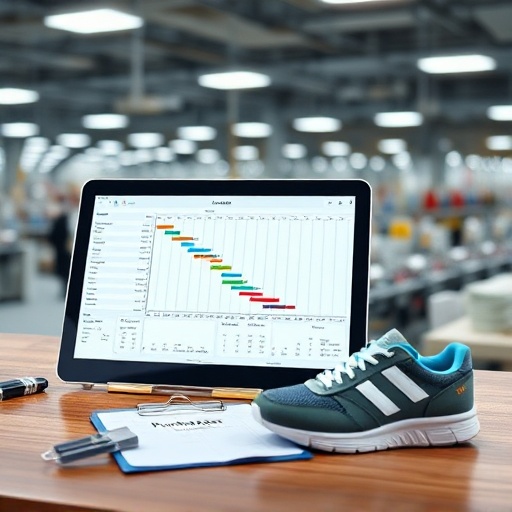
Phase 1: Order Confirmation and Material Sourcing (Days 1-15)
A common misconception is that the moment a PO is signed, sewing machines start running. In reality, the first two weeks are entirely dedicated to procurement and final approvals.
Reviewing the PO and Finalizing the “Golden Sample”
Before bulk production begins, the factory and the brand must formally sign off on the “Golden Sample”—the absolutely perfect prototype that serves as the benchmark for the entire run. Concurrently, our project managers meticulously review your PO to ensure every detail matches the Tech Pack.
The Challenge of Sourcing Custom Materials and Hardware
Once the Golden Sample is approved, the factory places bulk orders for raw materials. If your design uses standard black nylon, this is fast. However, if you require custom-dyed PU leather or bespoke metal zipper pulls with your logo, material sourcing can take 10 to 15 days just for the raw components to arrive at our facility.
Phase 2: Tooling, Cutting, and Preparation (Days 15-30)
Once the materials arrive, the physical preparation of the product begins. This phase is all about precision setup.
Ordering Custom Molds (If Applicable)
For custom shoes requiring a unique rubber outsole, the steel molds must be manufactured. Creating these molds across a full size run (e.g., US sizes 7-12) is a highly technical process that takes time.
Die-Cutting Fabrics and Preparing Components
Large rolls of fabric are laid out and cut using precision die-cutting machines according to your pattern. All the individual components—upper panels, linings, straps, and foam paddings—are sorted, counted, and bundled, ready to be sent to the assembly lines.
Phase 3: The Assembly Line and Stitching (Days 30-50)
This is the phase most people picture when they think of manufacturing. The product finally starts to take shape.
Stitching the Upper and Lasting the Shoe (Or Assembling the Bag)
Skilled workers begin sewing the cut panels together. For shoes, the stitched upper is stretched tightly over a foot-shaped mold (the “last”) to give it its final 3D shape before the outsole is glued and pressed on. For bags, panels are joined, and reinforcement bartacks are applied to stress points.
In-Process Quality Control (IPQC) Milestones
Quality is not just checked at the end. During these 20 days, our on-site QA team conducts continuous In-Process Quality Control (IPQC). They check stitching straightness, glue lines, and component alignment to catch and correct any deviations immediately.
Phase 4: Final QA, Packaging, and Logistics (Days 50-60)
The final ten days are focused on rigorous inspection, presentation, and preparing the goods for their international journey.
The Rigorous Final Product Inspection
Every finished shoe or bag undergoes a final inspection. We check against your specific quality standards, removing loose threads, cleaning any scuff marks, and ensuring the product matches the Golden Sample perfectly.
Packing to Your Specifications and Booking the Vessel
Products are stuffed (to hold their shape), wrapped in tissue, placed in their custom shoeboxes or polybags, and then packed into heavy-duty master cartons. Simultaneously, our logistics team coordinates with your freight forwarder to book space on an upcoming shipping vessel, finalizing the commercial invoices and packing lists.
Proactive Lead Time Management: How BMLineColl Stays on Track
A schedule is just a piece of paper without active management. Here is how we ensure your production timeline remains intact.
Buffer Time: Planning for the Unexpected
Experienced manufacturers never plan a schedule down to the last minute. We always build a few days of “buffer time” into our timelines. If a material delivery is delayed by a day due to weather, this buffer ensures your final delivery date is not impacted.
Transparent Weekly Updates for Our OEM Clients
We eliminate the “information black hole.” When you work with us, you receive transparent, weekly updates including photos from the production line. You always know exactly what phase your order is in. If you want a manufacturing partner that values your peace of mind, contact our project management team today.
A Predictable Timeline Builds a Resilient Supply Chain
Understanding the journey from PO to delivery empowers you to make smarter business decisions. When you know that custom hardware takes 15 days to source, you can plan your product launches more accurately. By partnering with a factory that practices transparent lead time management, you transform a stressful waiting period into a predictable, resilient supply chain.
Frequently Asked Questions About Manufacturing Lead Times
How do Chinese holidays like Lunar New Year affect production?
How do Chinese holidays affect production? The Lunar New Year (usually in January or February) involves a massive national shutdown. Factories close for 2 to 4 weeks. To avoid severe delays, you must place your POs at least 60 to 90 days before the holiday begins.
Can I pay extra for a “rush order” to shorten the lead time?
Can I pay extra for a “rush order”? Sometimes. If our production lines have capacity, we may be able to expedite the assembly phase. However, we cannot magically speed up the time it takes for custom raw materials to be made. True rush orders are usually only possible if you use in-stock, standard materials.
What happens if the factory misses the agreed delivery date?
What happens if the factory misses the delivery date? A professional factory will communicate any potential delays weeks in advance, not the day before shipping. In formal OEM agreements, there are often penalty clauses for late delivery. However, our goal at BMLineColl.com is proactive management to ensure those clauses never need to be invoked.