A modern running shoe is a marvel of engineering. Far from being simple footwear, it’s a high-performance machine where every component works in harmony to enhance comfort, support, and speed. What makes a good running shoe? The answer lies in the sophisticated interplay of its three core systems: the upper, the midsole, and the outsole. This guide will dissect the anatomy of a great running shoe, exploring the key running shoe technology that defines today’s market. Understanding this is essential for creating high-performance custom sneakers.
The Upper: Engineering Breathability, Fit, and Support
The upper is everything that wraps around your foot. Its job is to provide a secure, comfortable, and breathable environment.
The Revolution of Engineered Mesh and Flyknit
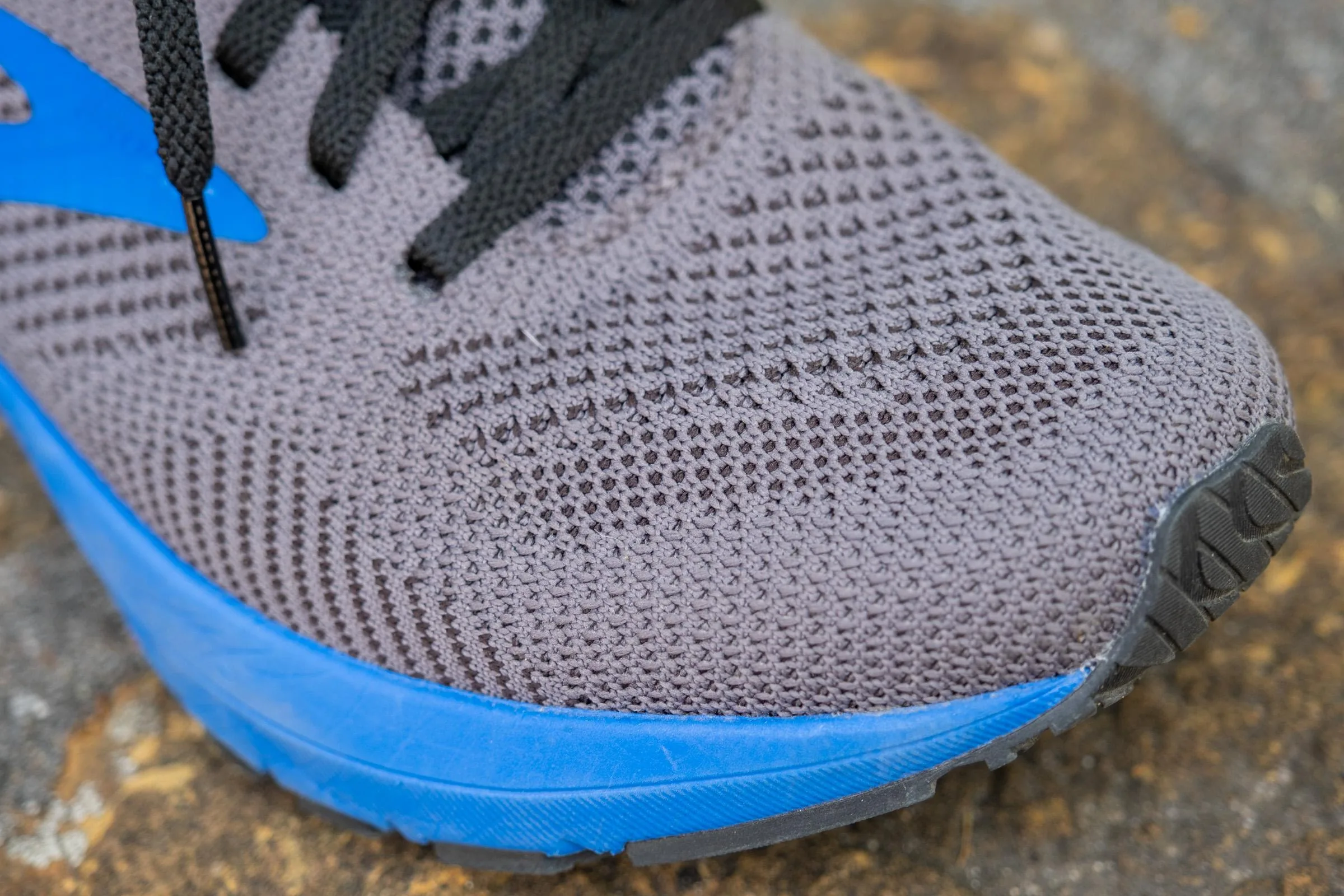
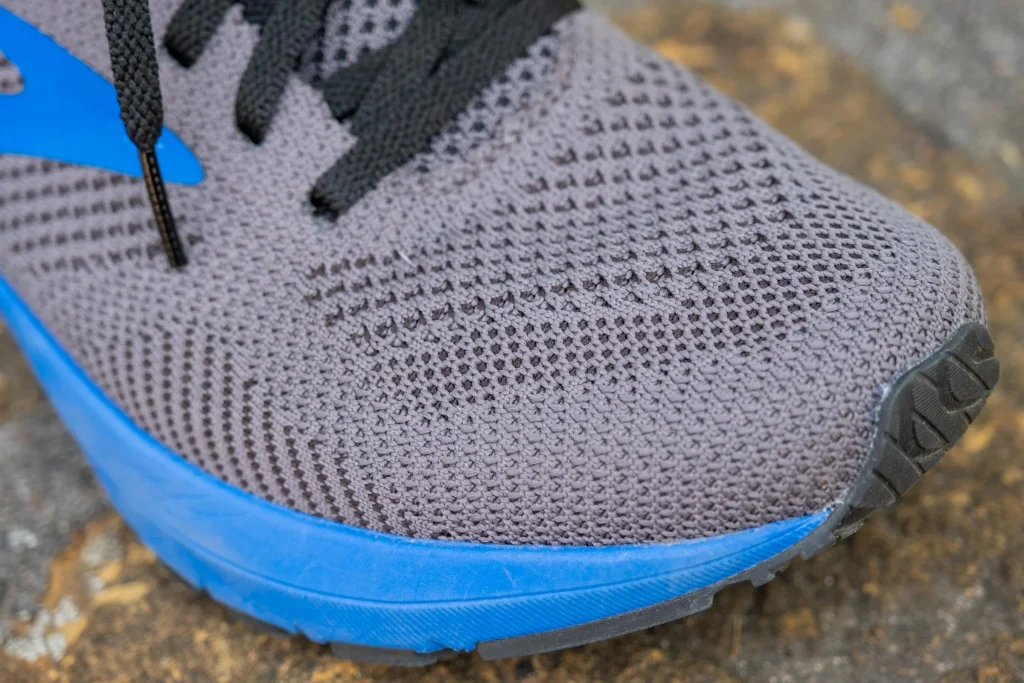
Gone are the days of heavy leather. Modern uppers utilize advanced materials like engineered mesh, which can be woven with varying densities to provide flexibility in some areas and support in others. The Flyknit upper takes this a step further, creating a seamless, sock-like fit that is incredibly lightweight and breathable.
The Role of TPU Overlays for Structural Support
To add structure without adding bulky seams, manufacturers use thin, welded TPU overlays. These thermoplastic polyurethane films are strategically placed to provide support around the midfoot and heel, locking the foot onto the shoe’s platform.
Lacing Systems and Heel Counters for a Secure Lockdown
A secure fit is paramount. Modern lacing systems allow for a customized lockdown, while a rigid internal heel counter cups the back of the foot, preventing slippage and enhancing stability during every stride.
The Midsole: The Engine Room of Cushioning and Responsiveness
The midsole is the heart and soul of a running shoe. This is where the magic of cushioning and energy return happens. What is midsole cushioning? It’s the technology that absorbs impact and propels you forward.
EVA Foam: The Lightweight Cushioning Standard
EVA foam (Ethylene-Vinyl Acetate) has long been the industry standard for midsole cushioning. It’s lightweight, resilient, and can be molded into various densities to achieve different levels of softness and support.
The Quest for Energy Return: Exploring Advanced Foams
The latest frontier in shoe manufacturing is energy return. Advanced foams, often proprietary blends of TPU or PEBA, are designed not just to absorb impact, but to bounce back, returning energy to the runner with each step and improving efficiency.
Understanding Stack Height and Heel-to-Toe Drop
Two key geometric measurements define a midsole’s feel. Stack height refers to the amount of material between your foot and the ground. Heel-to-toe drop is the difference in height between the heel and the forefoot, which influences a runner’s foot strike.
The Outsole: The Interface of Durability and Traction
The outsole is the shoe’s tire, providing the grip and durability needed to withstand hundreds of miles of pounding on the pavement.
High-Abrasion Rubber: Maximizing Longevity
The primary material for a quality outsole design is a durable, high-abrasion rubber. Carbon rubber is often used in the heel for maximum durability, while softer blown rubber might be used in the forefoot for better grip and a softer feel.
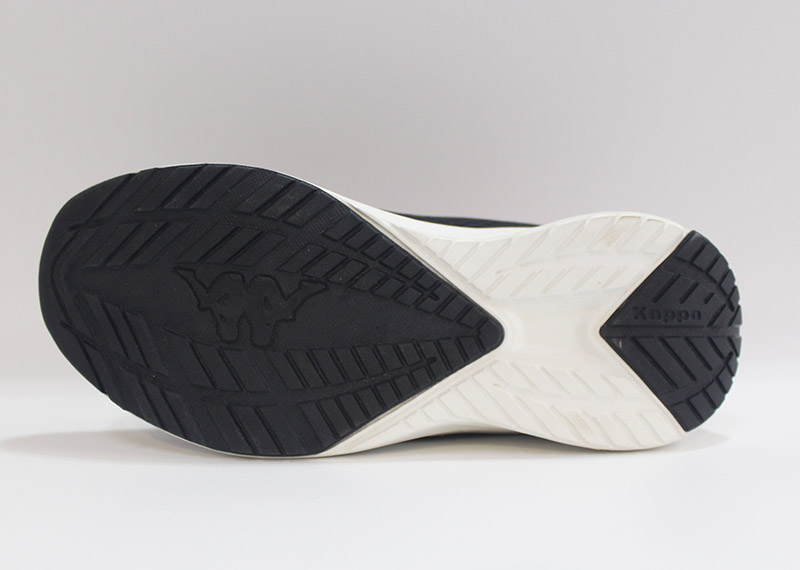
Strategic Tread Patterns for Optimal Grip
The tread patterns on an outsole are not random. They are engineered to provide traction on specific surfaces (road or trail) and to work with the foot’s natural motion, ensuring a secure grip from touchdown to toe-off.
The Importance of Flexibility Grooves
Flexibility grooves are cut into the outsole to allow the shoe to bend naturally with the foot’s movement. This ensures a smooth and unrestricted stride, which is critical for comfort and performance.
Assembling the System: How Each Part Works Together
A great running shoe isn’t just a collection of advanced parts; it’s a holistic system designed around the runner.
The Biomechanics of a Runner’s Gait
Top-tier shoe design starts with a deep understanding of biomechanics. Engineers analyze the runner’s gait cycle to ensure the upper, midsole, and outsole work together to guide the foot smoothly and efficiently.
How We Engineer Harmony in Custom Sneakers
When we develop custom sneakers, our focus is on creating this harmony. We help you select the right combination of materials and technologies to match your brand’s desired performance characteristics, ensuring every component serves the overall goal of the shoe. Let’s engineer your brand’s next performance shoe.
Engineering a Better Run, One Component at a Time
The anatomy of a great running shoe is a testament to meticulous engineering. From the breathability of the upper to the energy return of the midsole and the grip of the outsole, every element is a deliberate choice. Understanding this technology is the key to creating a product that doesn’t just look good, but performs exceptionally.
Ready to apply cutting-edge technology to your next running shoe collection? Speak with our footwear engineers at BMLineColl.com.
Frequently Asked Questions About Running Shoe Tech
What is the most important component of a running shoe?
What is the most important component of a running shoe? While all parts are crucial, most experts agree the midsole is the most important. It’s responsible for the cushioning and responsiveness that define the shoe’s ride and have the biggest impact on a runner’s comfort and injury prevention.
How does shoe weight affect running performance?
How does shoe weight affect running performance? Lighter shoes generally lead to faster running times because the runner expends less energy lifting their feet. This is why racing shoes are extremely lightweight, while daily trainers might add a bit more weight in exchange for increased cushioning and durability.
What’s the difference between a neutral and a stability running shoe?
What’s the difference between a neutral and a stability shoe? Neutral shoes are for runners with a normal pronation pattern. Stability shoes include features like medial posts or guide rails to help control overpronation (when the foot rolls too far inward). Choosing the right type is crucial for comfort and injury prevention. To discuss which type is right for your target audience, you can contact our experts.
hich can be woven with v