
In the fast-paced world of footwear, being reactive is a recipe for obsolete inventory. By the time a sneaker style dominates the retail shelves, industry leaders are already developing collections for two seasons ahead. For product managers and design teams, knowing how to forecast sneaker trends accurately is the most critical skill for survival and growth. This comprehensive guide provides fashion buying teams with actionable strategies to predict the colors, silhouettes, and materials that will shape the upcoming footwear market. Let’s explore how to combine macro data, cultural shifts, and manufacturing insights to build your next successful custom sneaker line.
1. Analyzing the Runway: The Trickle-Down Effect in Footwear
While streetwear heavily influences high fashion today, the traditional “trickle-down” effect still holds significant power in shaping broader footwear trends.
How Luxury Brands Influence Streetwear and Sneakers
High-end fashion houses often introduce avant-garde materials, exaggerated proportions, or unique color palettes on the runway. These concepts slowly filter down into mainstream commercial brands over 12 to 18 months. A sharp fashion buying team monitors luxury fashion weeks not to copy, but to understand the impending shifts in consumer aesthetic preferences.
Spotting Emerging Silhouettes (e.g., Chunky vs. Minimalist)
Runway analysis helps identify shifts in macro silhouettes. Are designers moving away from the oversized, chunky “dad shoe” toward sleek, low-profile, vintage-inspired racers? Spotting these structural shifts early allows you to brief your factory on new mold requirements well in advance.
2. Social Media and Micro-Trends: The Power of Street Style
While runways provide a 12-month outlook, social media provides a real-time pulse on what consumers actually crave right now.
Tracking Sneakerheads and Influencer Collaborations
The “sneakerhead” community drives massive hype. Monitoring specialized sneaker blogs, release calendars, and high-profile influencer collaborations reveals which cultural touchpoints are gaining traction. Limited-edition drops often dictate the mainstream styles that will be popular six months later.
Using Platforms like TikTok and Instagram to Spot Viral Aesthetics
Algorithms on platforms like TikTok create rapid “micro-trends” (e.g., Gorpcore, Y2K nostalgia). By tracking specific hashtags and observing how youth culture styles their footwear organically, brands can quickly inject these viral aesthetics into their upcoming custom sneakers.
3. Leveraging Professional Trend Forecasting and Color Reports
Gut feeling is important, but professional data validates your design intuition.
The Importance of Agencies like WGSN and Pantone Color of the Year
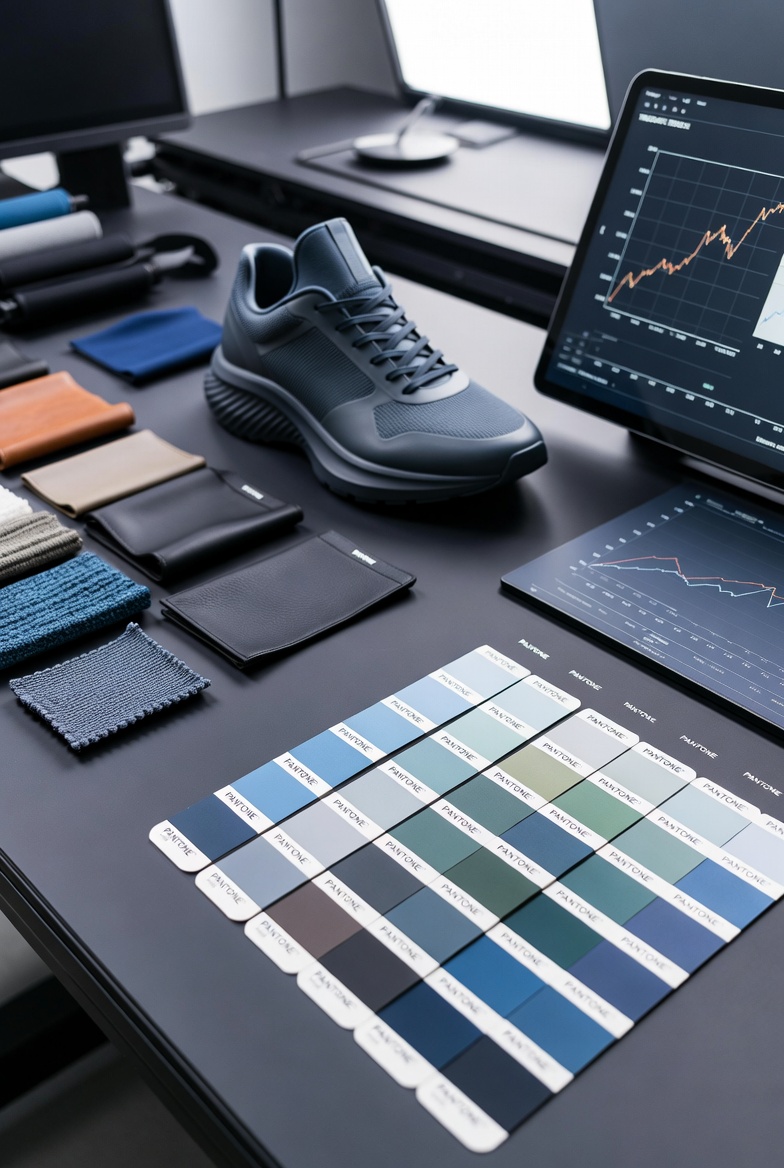
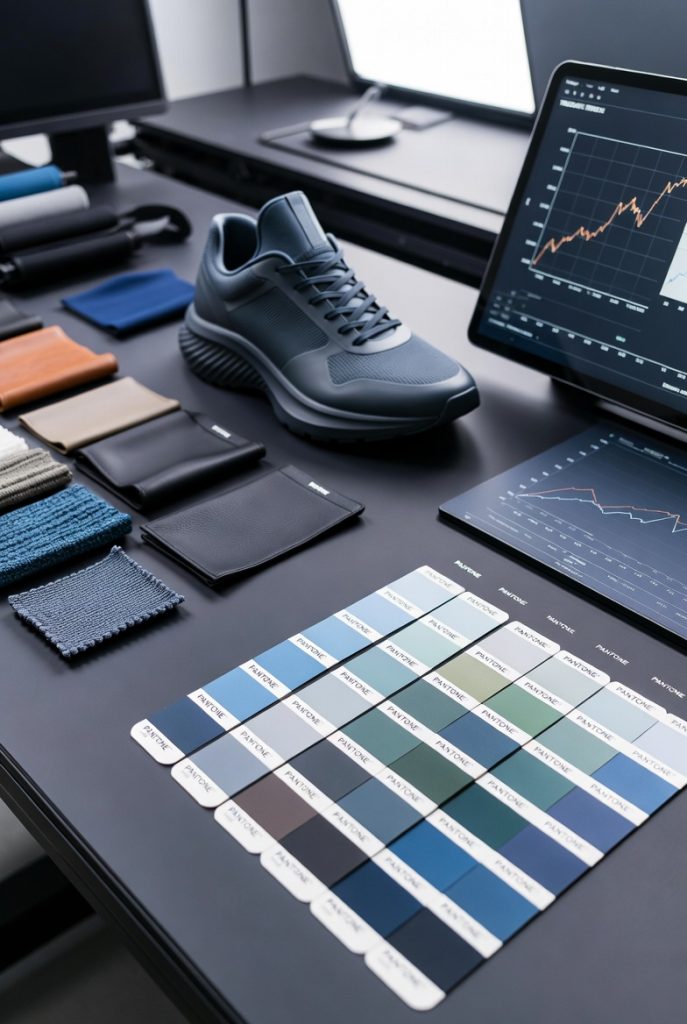
Global forecasting agencies like WGSN analyze global economics, art, and sociology to predict consumer behavior years in advance. Similarly, the Pantone Color of the Year heavily influences textile dyeing across the entire fashion industry. Subscribing to or studying these reports provides a solid, data-backed foundation for your seasonal color palettes.
Translating Macro Consumer Trends into Actionable Shoe Designs
If forecasting agencies predict a macro trend toward “wellness and nature,” a smart brand translates this into their footwear by utilizing earthy tones, sustainable materials like cork or organic cotton, and highly comfortable, ergonomic designs.
4. Listening to Your Manufacturer: Insights from the Factory Floor
This is the most underutilized forecasting tool available to brands. Your OEM partner is not just an assembly line; they are a centralized hub of global market data.
Why Your OEM Partner is a Valuable Source of Trend Data
A premier OEM shoe factory manufactures footwear for dozens of different brands across Europe, North America, and Asia. If five different leading brands suddenly start requesting a specific type of recycled knit or a new translucent TPR outsole, the factory knows a major trend is emerging before those products ever reach a store window.
New Materials and Textures Gaining Traction in Production
Manufacturers are often the first to test and scale new material technologies. By maintaining a close dialogue with your factory’s R&D team, you can gain early access to innovative, cost-effective materials that your competitors haven’t discovered yet.
Translating Trends into Your Custom Sneaker Line
Knowing the trend is only step one. The execution determines your commercial success.
Balancing Trendy Elements with Your Core Brand Identity
Never blindly chase a trend if it alienates your core customer base. The key is adaptation. If neon colors are trending, but you are a minimalist heritage brand, perhaps you introduce a neon detail on the aglets or the insole, rather than creating a fully neon shoe. Always filter trends through your unique brand DNA.
How We Help Brands Execute Trend-Driven Footwear
At BMLineColl, we bridge the gap between trend forecasting and physical manufacturing. We share our frontline production insights with our clients, helping them select the right trending materials and silhouettes while ensuring optimal production costs.Collaborate with our R&D experts to bring your trend-driven vision to life.
Forecasting is an Ongoing Strategy, Not a One-Time Guess
To successfully forecast sneaker trends, brands must continuously synthesize information from luxury runways, street culture, professional data, and factory-level insights. It is a dynamic, ongoing strategy. By staying informed and partnering with a manufacturer that understands the global market, you can confidently design collections that captivate consumers and drive sustained sales growth.
Are you ready to plan a collection that perfectly captures next season’s market demand?Contact our product development team today to discuss upcoming material and design trends.
Frequently Asked Questions About Fashion Buying & Trends
How far in advance should I plan my next sneaker collection?
How far in advance should I plan my next sneaker collection? Most successful footwear brands operate on a 9 to 12-month calendar. If you want to launch a Spring/Summer collection, you should begin trend forecasting, designing, and sampling with your manufacturer by the previous Spring.
Are sustainable materials still considered a “trend” or a necessity?
Are sustainable materials still considered a “trend”? Sustainability has moved past being a mere trend; it is now a fundamental consumer expectation and an industry necessity. Incorporating recycled materials or eco-friendly PU is increasingly required by major retailers and conscious consumers alike.
How can a smaller brand compete with major sneaker releases?
How can a smaller brand compete with major sneaker releases? Smaller brands win through agility and extreme niche targeting. While mega-brands take 18 months to pivot, a smaller brand working closely with an efficient footwear manufacturing partner can spot a micro-trend on social media and launch a targeted capsule collection in a fraction of the time.