Designing for children is a unique responsibility. Unlike adults, children aren’t just looking for style; they need gear that supports their rapidly growing bodies. For footwear brands, creating a successful product means understanding that a child is not just a “miniature adult.” Their feet are anatomically different, and their movement patterns are chaotic and energetic. How to design kids shoes that parents trust and kids love to wear? This guide explores the three pillars of children’s shoe design: anatomical health, extreme durability, and uncompromising safety. Partner with us to build a better shoe for the next generation.
Anatomy First: Designing for Healthy Foot Development
The primary goal of any children’s shoe should be to protect the foot without hindering its natural growth.
Why a Wide Toe Box is Essential for Growing Feet
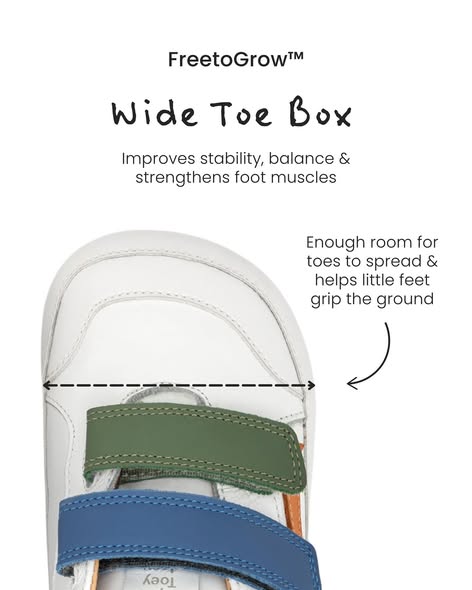
Children’s feet are soft and pliable. A tapered toe box, common in adult fashion, can permanently deform a child’s growing bones. A wide toe box is non-negotiable. It allows the toes to splay naturally, providing stability and balance as the child learns to walk and run.
The Importance of Flexible Soles for Natural Movement
Stiff soles act like casts, weakening the foot muscles. For toddlers and young children, the sole should be flexible enough to bend easily at the ball of the foot. This flexibility promotes proprioception (the brain’s ability to sense body position) and allows for a natural gait.
Arch Support: Finding the Right Balance for Kids
There is a misconception that kids need heavy arch support. In reality, young children have flat feet because their arches haven’t fully developed yet. A minimal, soft support is usually best, allowing the foot muscles to strengthen on their own.
The “Playground Proof” Standard: Durability and Materials
Kids are tough on shoes. They drag their toes, kick rocks, and jump in puddles. Durability is often the #1 factor in a parent’s repeat purchase decision.
Reinforced Toe Caps to Prevent Scuffing
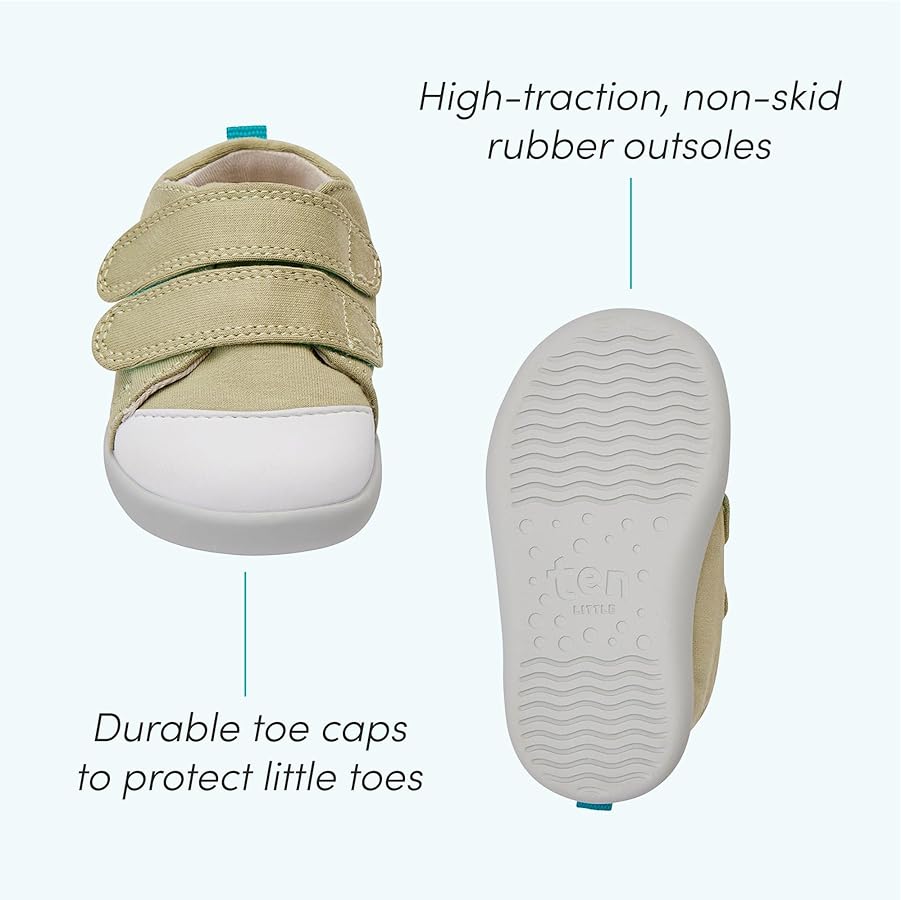
The toe area is the first point of failure. A reinforced toe cap—using an extension of the rubber outsole or a durable synthetic overlay—is essential to prevent the shoe from wearing through after just a few weeks of “playground braking.”
Selecting High-Abrasion Outsoles for Active Play
Soft foam soles wear down too quickly on concrete. A high-quality children’s shoe needs a high-abrasion rubber or TPR outsole that provides grip and longevity without being overly heavy.
Breathable and Washable Upper Materials
Kids’ feet sweat—a lot. Materials like mesh or perforated leather provide necessary breathability. Furthermore, using machine-washable materials is a huge selling point for parents dealing with muddy shoes.
Parent-Approved Features: Usability and Convenience
Great kids footwear solves problems for parents. The biggest problem? Getting out the door quickly.
Velcro (Hook and Loop) vs. Elastic Laces: The Easy-On Debate
While laces offer a precise fit, Velcro (hook and loop) straps are the king of convenience. They foster independence, allowing kids to put on their own shoes. Elastic laces with a single top strap are a great hybrid, offering the look of a sneaker with the ease of a slip-on.
Lightweight Construction to Reduce Fatigue
A heavy shoe is a tripping hazard for a child. Using lightweight construction methods and materials (like EVA midsoles) helps prevent fatigue and keeps kids agile.
Fun Aesthetics: Colors and Characters that Kids Love
Ultimately, the child has to want to wear the shoe. Bright colors, fun patterns, and even light-up soles are critical for “shelf appeal” to the actual user.
Safety and Compliance in Kids’ Footwear Manufacturing
In the world of B2B sourcing, safety standards for children’s shoes are stringent. Non-compliance is not an option.
Avoiding Small Parts (Choking Hazards)
Decorations like buttons, sequins, or removable charms must be securely attached. We perform “pull tests” to ensure these small parts cannot be detached and swallowed by curious toddlers.
Ensuring Materials are Non-Toxic and Lead-Free
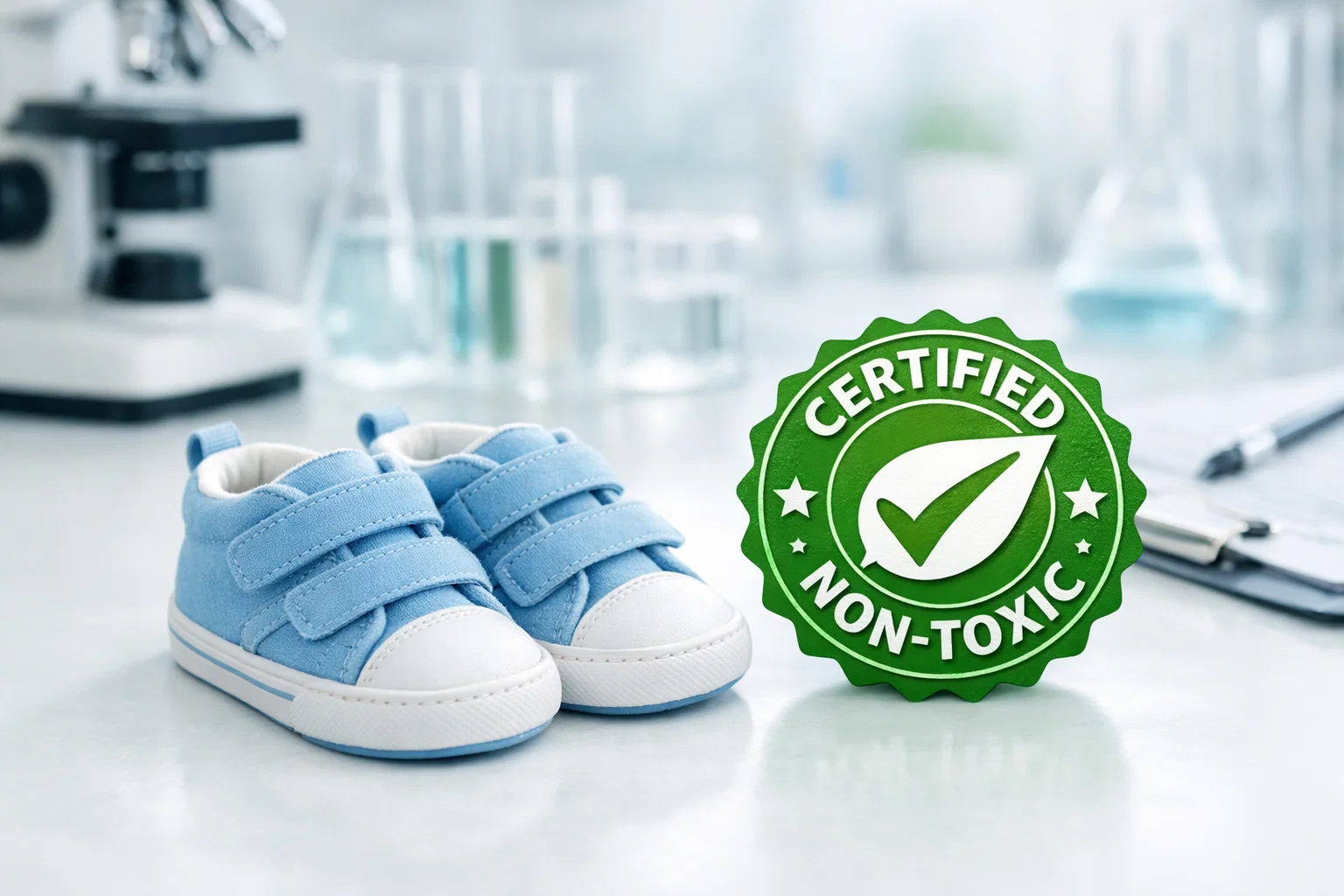
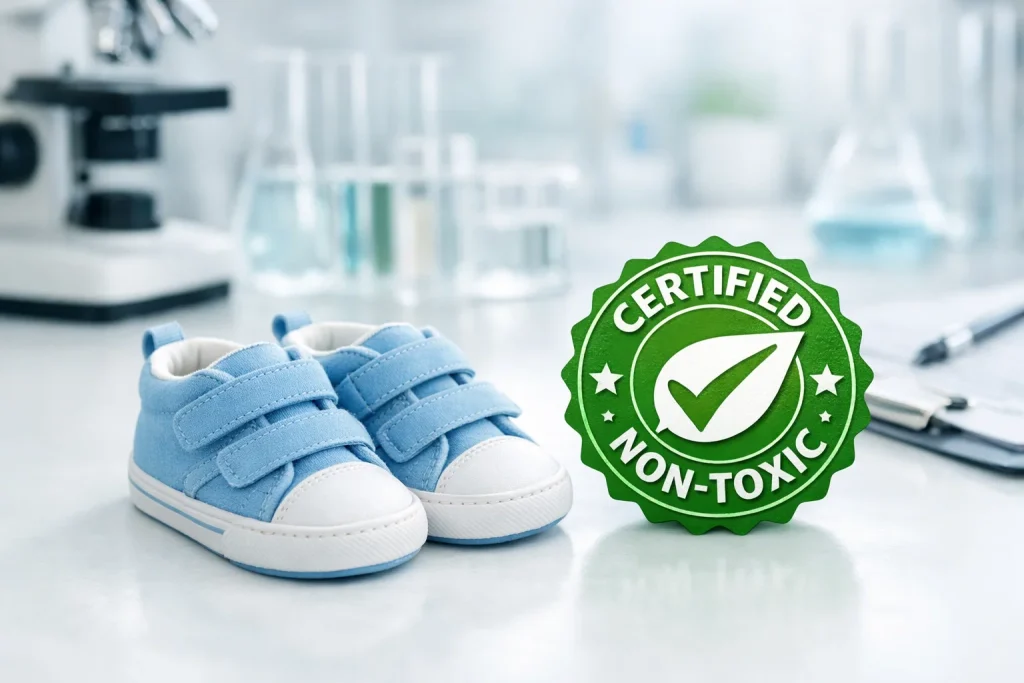
Children’s skin is sensitive, and toddlers often put shoes in their mouths. All materials must be certified non-toxic and free from harmful substances like lead, phthalates, and formaldehyde, complying with regulations like CPSIA (USA) and REACH (EU).
Slip-Resistant Treads for Safety on All Surfaces
A slip-and-fall accident can be serious. We engineer tread patterns specifically to channel water away and provide grip on slick surfaces like school hallways or wet playgrounds.
Building Trust with Every Step: The Value of Quality Kids’ Shoes
Designing for children is a balancing act. You need the durability of a work boot, the performance of a running shoe, and the safety of a toy. When you get this balance right, you earn the trust of parents—the most loyal customers in the world.
Do you want to create a children’s footwear line that prioritizes health and happiness? Collaborate with our caring design team to bring your vision to life safely and professionally.
Frequently Asked Questions About Kids’ Shoe Manufacturing
What is the difference between toddler and youth shoe construction?
What is the difference between toddler and youth shoe construction? Toddler shoes (sizes 4-10) focus on flexibility, wide fit, and ease of entry for developing feet. Youth shoes (sizes 11-7) begin to incorporate more “adult” features like structured heel counters and slightly firmer midsoles for higher-impact activities.
How do you test for chemical safety in children’s shoes?
How do you test for chemical safety in children’s shoes? We work with accredited third-party laboratories to test raw materials before production. We screen for restricted substances to ensure full compliance with international safety laws.
Can we customize molds for unique character designs?
Can we customize molds for unique character designs? Yes! We can create custom molds for outsoles (leaving fun footprints) or upper components to feature your brand’s unique characters or logos. This is a great way to differentiate your product. Discuss your custom mold ideas with us.