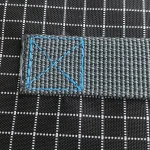
The footwear industry is undergoing a seismic shift. For decades, making a shoe meant cutting pieces of material and sewing them together—a process that is labor-intensive and creates significant waste. Enter Flyknit technology (and similar engineered knit innovations). This isn’t just a design trend; it’s a manufacturing revolution. By knitting the upper from a single continuous thread, brands can create products that are lighter, stronger, and more sustainable. This article explores how custom knit shoes are changing the game and why your brand should embrace this technology. Start your knit footwear project with us.
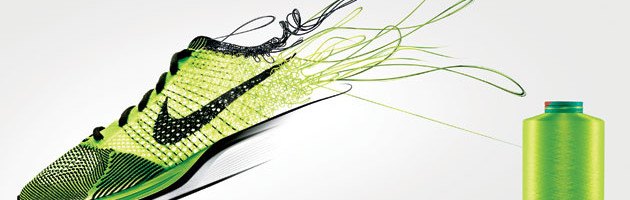
What is Flyknit Technology? Beyond the Buzzword
While “Flyknit” was popularized by major sports brands, the underlying technology—engineered knit—is now a capability accessible to forward-thinking OEMs.
Understanding Engineered Knit vs. Traditional Mesh
Traditional mesh uppers are cut from large rolls of fabric and stitched together. Engineered knit, on the other hand, is digitally programmed and knitted to exact specifications. This allows for precise control over the yarn’s placement, creating specific properties in specific areas without changing materials.
The Seamless, One-Piece Upper Construction
The hallmark of this technology is the one-piece upper. By eliminating seams, you eliminate friction points that cause blisters and structural weak points that can tear. The result is a sleek, modern aesthetic that looks as good as it performs.
Performance Benefits: Why Runners and Casual Wearers Love It
For the end consumer, the benefits of Flyknit technology are immediate and tangible.
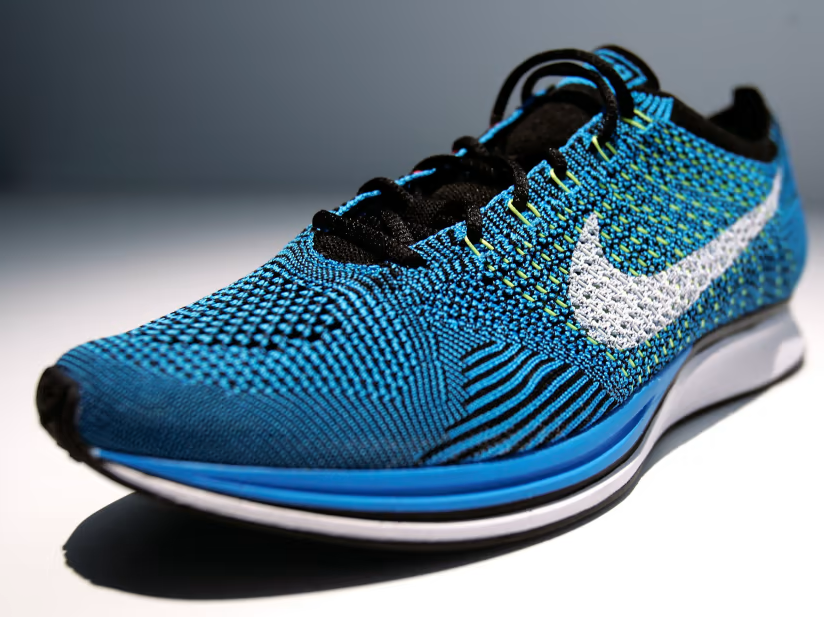
Unmatched Breathability and Temperature Regulation
Because the knit structure is programmable, designers can create open-mesh structures directly over high-heat areas of the foot. This provides superior airflow and cooling without sacrificing structural integrity in other areas.
The “Second Skin” Sock-Like Fit and Flexibility
Knit uppers offer a unique elasticity that traditional leathers and synthetics cannot match. They stretch and move with the foot, providing a sock-like fit that adapts to different foot shapes, significantly enhancing comfort.
Incredible Strength-to-Weight Ratio
High-tenacity yarns (like polyester or nylon) are used to create these uppers. This results in a shoe that is incredibly featherlight yet surprisingly strong, reducing fatigue for the wearer during long runs or walks.
The Sustainability Edge: A Zero-Waste Manufacturing Process
In an era where sustainability drives purchasing decisions, knit technology offers a massive competitive advantage.
How Knitting Reduces Scrap Material Compared to Cutting
Traditional cut-and-sew manufacturing leaves behind tons of scrap material on the cutting room floor. Knit technology is an additive process—you only use the yarn needed to make the shoe. This zero-waste manufacturing approach drastically reduces the environmental footprint of each pair.
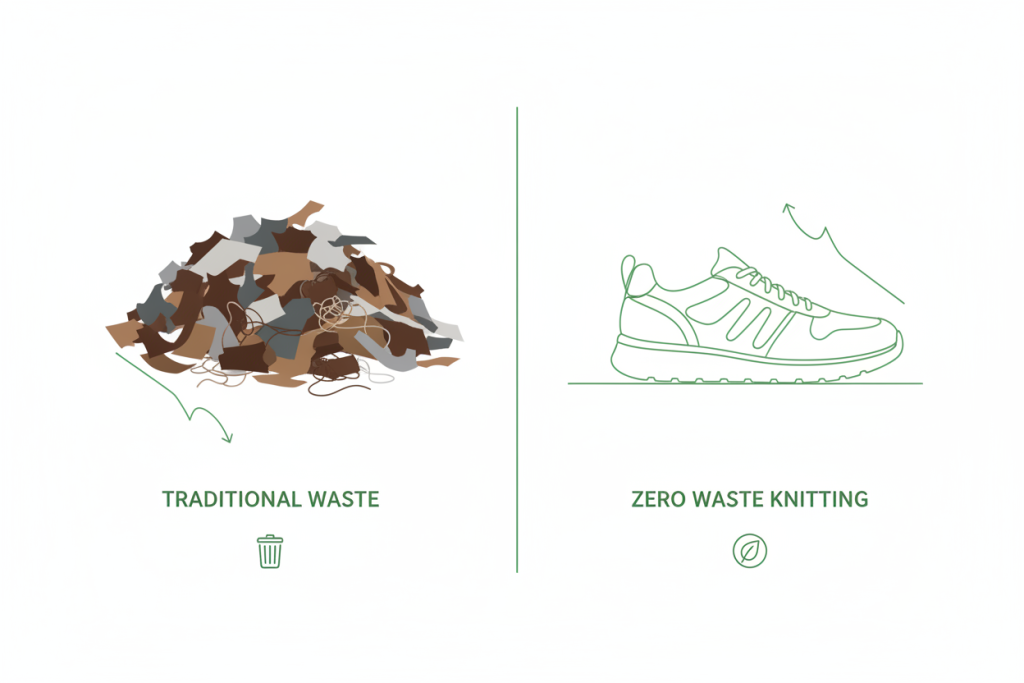
Using Recycled Polyester Yarns (rPET) in Knit Shoes
This technology pairs perfectly with recycled materials. Many custom knit shoes are now made using 100% recycled polyester yarns derived from plastic bottles (rPET), allowing brands to tell a compelling sustainability story.
Unleashing Design Freedom for Your Custom Knit Shoes
For designers, knitting machines are like 3D printers for fabric. The design possibilities are virtually limitless.
Jacquard Patterns: Weaving Complex Designs Directly into Fabric
Forget screen printing. With Jacquard knitting, complex patterns, logos, and camouflage designs can be woven directly into the structure of the shoe. This creates a premium look that won’t peel or fade over time.
Strategic Zoning: Varying Support and Stretch Without Seams
Designers can program “zones” of support (tight weave) and zones of flexibility (loose weave) into a single piece of fabric. This eliminates the need for bulky overlays or plastic cages, keeping the design clean and functional.
Limitless Color Combinations and Textures
From heathered multi-color yarns to 3D textures, the visual versatility is endless. You can create a unique visual identity for your brand that stands out on the shelf.
Weave the Future of Your Footwear Brand with Advanced Knit Tech
Flyknit technology is more than a material; it’s a smarter way to make shoes. It offers a trifecta of benefits: superior performance for the user, reduced waste for the planet, and unlimited creativity for the brand. By integrating engineered knit into your product line, you position your brand at the forefront of footwear innovation.
Ready to create a lightweight, sustainable, and stylish knit sneaker collection? Contact our R&D team at BMLineColl.com to explore the infinite possibilities of knit technology.
Frequently Asked Questions About Knit Shoe Manufacturing
Is Flyknit technology durable enough for daily use?
Is Flyknit technology durable enough for daily use? Yes. While it looks soft, engineered knit uses high-strength synthetic yarns. We can also integrate fusible yarns that harden when heated to provide extra durability in high-wear areas like the toe and heel.
Is manufacturing knit shoes more expensive than traditional methods?
Is manufacturing knit shoes more expensive? The upfront cost for programming and machine setup can be higher, but the reduction in material waste and labor (fewer assembly steps) often makes it cost-competitive, especially for premium products.
Are knit shoes water-resistant?
Are knit shoes water-resistant? Standard knit is not water-resistant, as it is porous. However, we can apply DWR (Durable Water Repellent) coatings to the yarn or the finished shoe, or laminate a waterproof membrane behind the knit to make it suitable for wet conditions. Ask us about weather-proofing options.