In the highly competitive footwear market, your profit margin dictates your brand’s survival. Designing a beautiful sneaker is only half the battle. The real challenge is manufacturing that sneaker at a price point that allows your business to thrive. Many new brands assume that the only way to lower prices is to sacrifice quality. This is a dangerous myth. You can effectively optimize sourcing costs through strategic planning and value engineering. This guide will reveal five proven ways to reduce your manufacturing expenses when creating custom footwear.
1. Strategic Material Substitution: Smart Swaps That Save Money
Material costs make up a significant portion of your total manufacturing bill. You do not need to use premium materials on every single inch of the shoe to create a premium product.
Identifying Over-Engineered Components in Your Design
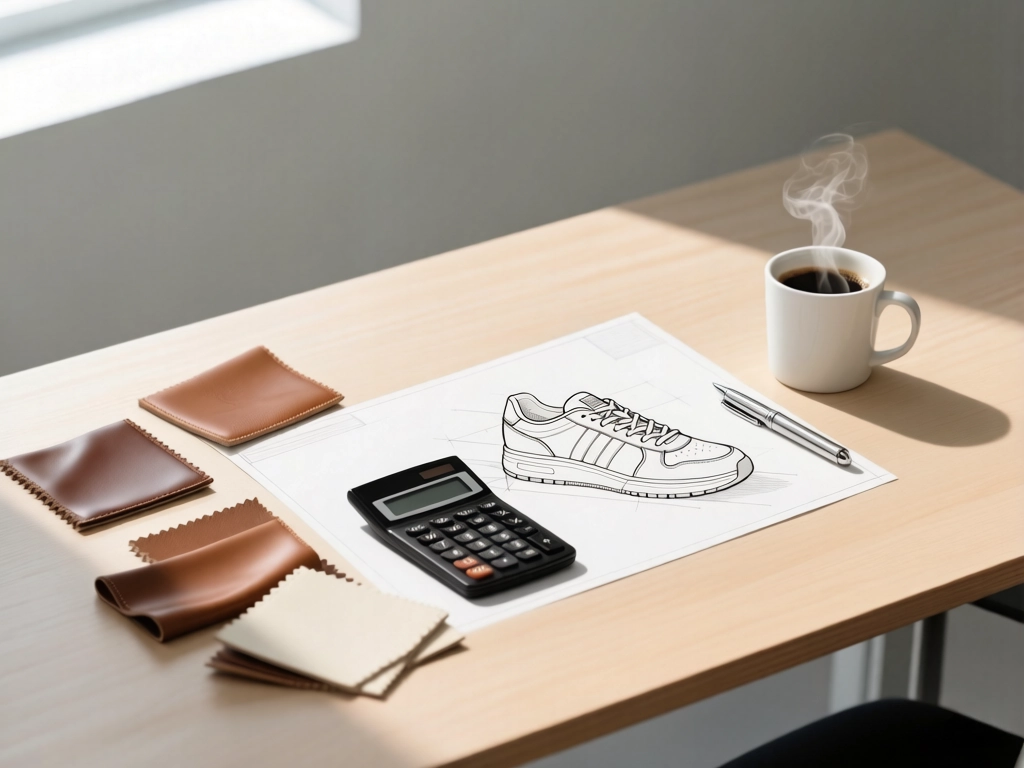
Look closely at your Tech Pack. Are you specifying expensive materials in areas that the customer never sees or touches? For example, using premium full-grain leather for the hidden internal lining is often a waste of money. You can easily substitute this with a comfortable, durable, and much cheaper synthetic mesh.
Swapping Genuine Leather for High-Grade PU in Non-Stress Areas
Genuine leather is expensive and yields more cutting waste. Consider a hybrid approach. Use genuine leather for high-visibility areas like the toe box and vamp. Then, use high-grade PU leather for the tongue, heel collar, or decorative side panels. Modern PU looks incredibly realistic and will instantly lower your material bill.
2. Simplifying Construction and the Manufacturing Process
Labor time directly equals money. The more time a worker spends sewing your shoe, the more expensive it becomes.
Reducing the Number of Stitches, Seams, and Panels
Complex designs with dozens of small, overlapping panels look cool, but they are a nightmare for production efficiency. Each extra panel requires cutting, gluing, and sewing. Simplify your design by combining panels where possible. A cleaner, more minimalist silhouette is currently on-trend and significantly cheaper to produce.
The Hidden Impact of Complex Colorways on Production Costs
Offering ten different colorways for a new sneaker seems great for marketing. However, complex color-blocking forces the factory to source small batches of many different colored materials. This triggers higher material costs and setup times. Start with two or three strong, versatile colorways to maximize your purchasing power.
3. Utilizing Existing Molds and Tooling (The ODM Advantage)
Creating a completely new sole from scratch is the most expensive part of launching a new sneaker.
Understanding the High Costs of Custom Outsole Molds
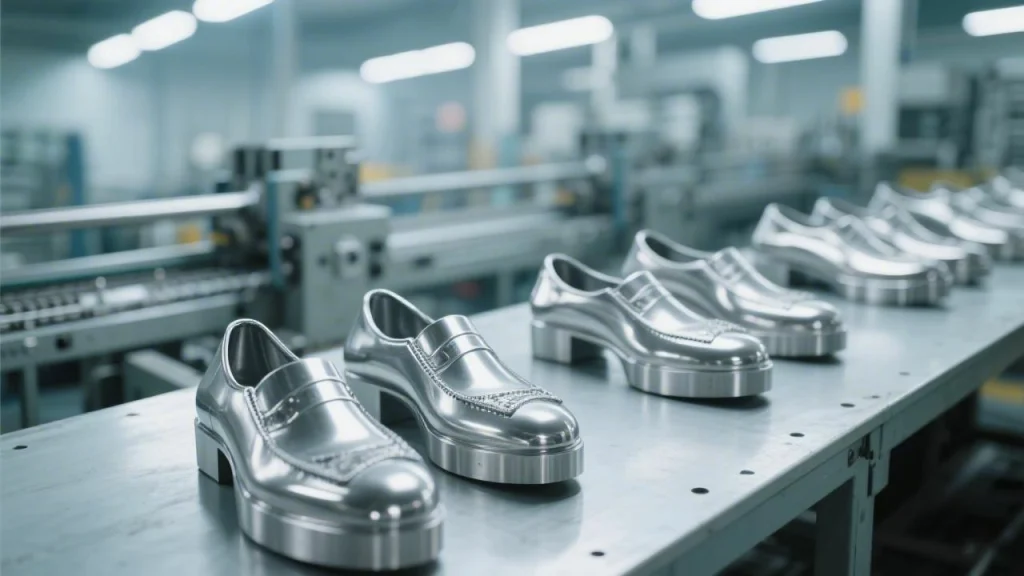
To create a custom rubber or EVA outsole, the factory must cut heavy steel molds. A single size run (e.g., sizes 7 to 12) can cost thousands of dollars in tooling fees alone. If you are a startup, this upfront cost can drain your entire budget.
Leveraging Your Shoe Factory’s Open Molds for Private Label
The smartest way to save money is to use “open molds.” An experienced shoe factory in China will have hundreds of pre-existing outsole designs. By selecting an existing high-quality outsole and pairing it with your unique upper design, you completely eliminate the tooling fees. This ODM strategy gets you to market faster and cheaper.
4. Optimizing Your Order Quantity (MOQ) and Packaging
Your order volume and how you pack your shoes heavily influence your final landed cost.
Finding the Sweet Spot Between MOQ and Unit Price
Factories offer tiered pricing. Ordering 300 pairs will cost significantly more per unit than ordering 1,000 pairs. Work closely with your manufacturer to find the “sweet spot.” Sometimes, slightly increasing your order quantity pushes you into a better pricing tier, making the overall investment much more profitable.
Rethinking Shoeboxes: Sustainable and Cost-Effective Packaging
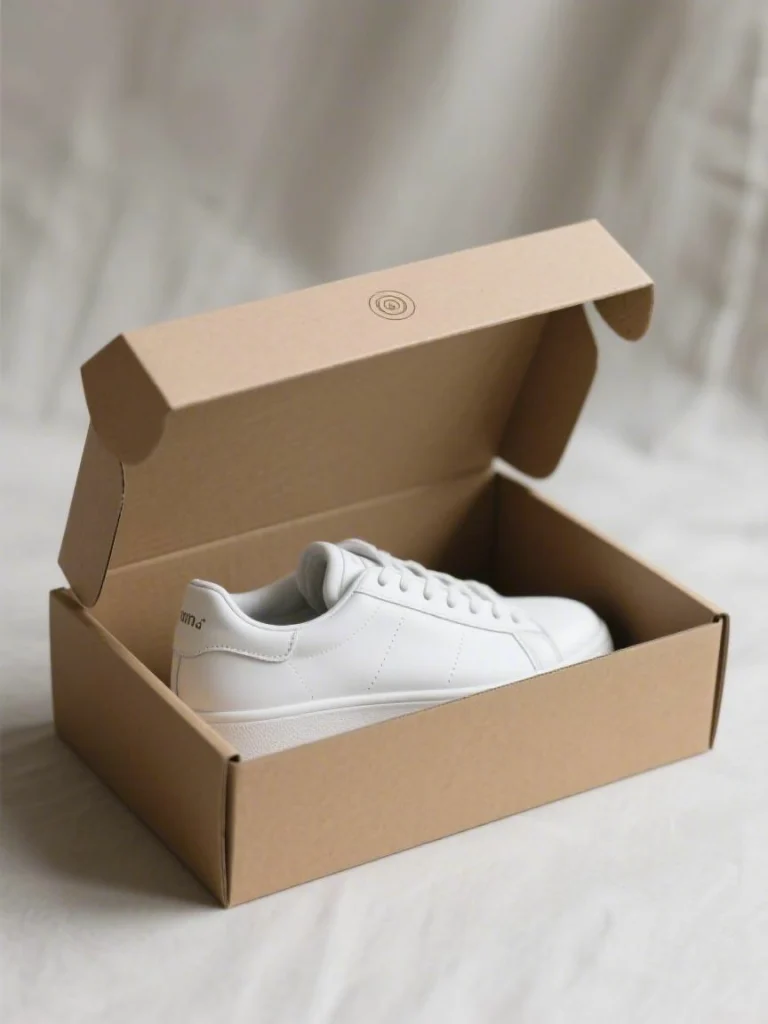
Heavy, glossy, oversized shoeboxes are expensive to print. Worse, they take up valuable space in a shipping container. Shipping costs are calculated by volume (CBM). Switch to minimalist, eco-friendly kraft paper boxes that are tailored to the exact size of the shoe. You will save money on printing and drastically reduce your international freight costs.
5. Partnering with a Direct Shoe Factory in China
Every link in the supply chain adds a margin. If you want the best price, you need to go to the source.
Cutting Out the Middleman for Better Margins
Many brands unknowingly work with trading companies or sourcing agents who add a 10% to 20% markup on top of the factory price. While agents offer a service, working directly with a factory eliminates this unnecessary overhead.
How BMLineColl Helps Brands Optimize Sourcing Costs
At BMLineColl, we operate as your direct manufacturing partner. We review every Tech Pack with a value-engineering mindset. We suggest smart material swaps, recommend open molds to save you tooling fees, and streamline the entire process. Partner with our manufacturing experts to maximize your profit margins.
Value Over Price: The Key to Sustainable Profit Margins
True cost optimization is not about squeezing the factory for the lowest possible penny. That approach always results in terrible quality and ruined brand reputation. Real optimization is about working intelligently. By simplifying your construction, managing your tooling costs, and optimizing your packaging, you achieve a sustainable profit margin while delivering exceptional value to your customers.
Ready to value-engineer your next footwear collection? Submit your design for a free cost optimization analysis.
Frequently Asked Questions About Footwear Pricing
Does negotiating a lower price always mean lower quality?
Does negotiating a lower price always mean lower quality? Yes, if you blindly demand a 20% discount without changing the design. The factory will have to use cheaper glues, thinner leathers, and skip quality control steps to meet your price. True cost reduction comes from changing the specifications, not just demanding a discount.
What is typically the most expensive part of manufacturing a shoe?
What is the most expensive part of manufacturing a shoe? For a new design, creating the custom steel molds for the outsole is the largest upfront expense. In terms of per-unit cost, genuine leather uppers and complex, labor-intensive sewing operations take up the largest portion of the budget.
How much can I realistically save by optimizing my shoe design?
How much can I realistically save? By swapping hidden materials, utilizing open molds, and simplifying complex stitching, brands can routinely save 15% to 30% on their unit costs. When applied to a bulk order, these savings transform your business profitability. Contact us to calculate your potential savings.